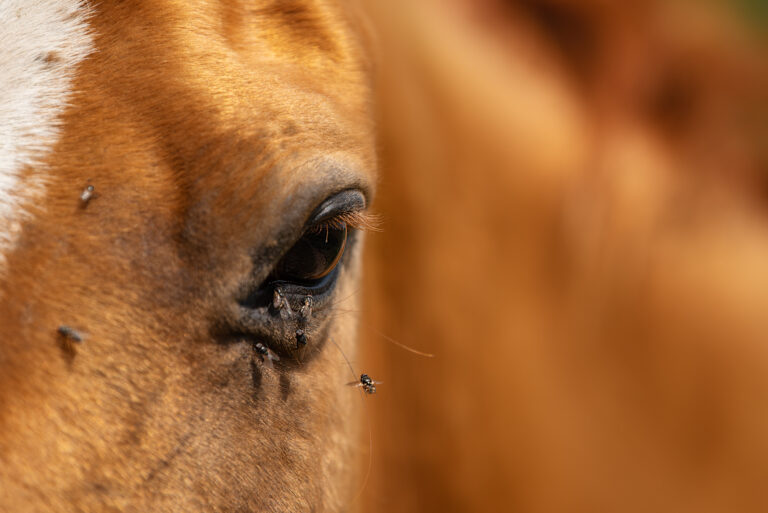
Pinpointing Poor Performance in Horses
Veterinarians describe 9 common causes of poor performance in horses and what it takes to get a diagnosis.

Veterinarians describe 9 common causes of poor performance in horses and what it takes to get a diagnosis.
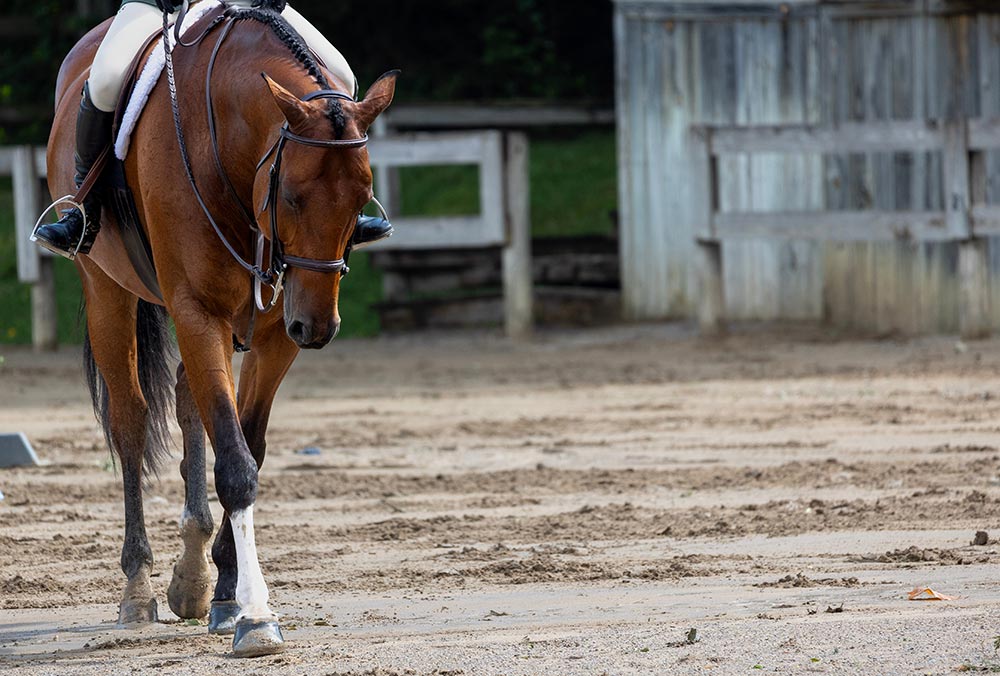
Here’s what researchers know about the role biomarkers might play in predicting and monitoring equine gastric ulcer syndrome.
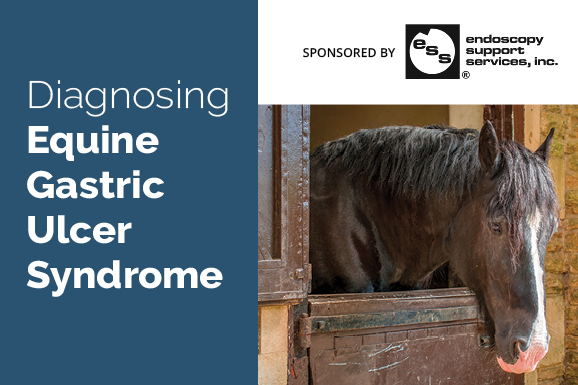
Equine gastric ulcer syndrome (EGUS) can only be definitively diagnosed through gastroscopy by a veterinarian. Sponsored by Endoscopy Support Services.

Five veterinary experts discuss the latest in diagnosing, treating, and preventing equine gastric ulcers in this roundtable. Sponsored by Boehringer Ingelheim.
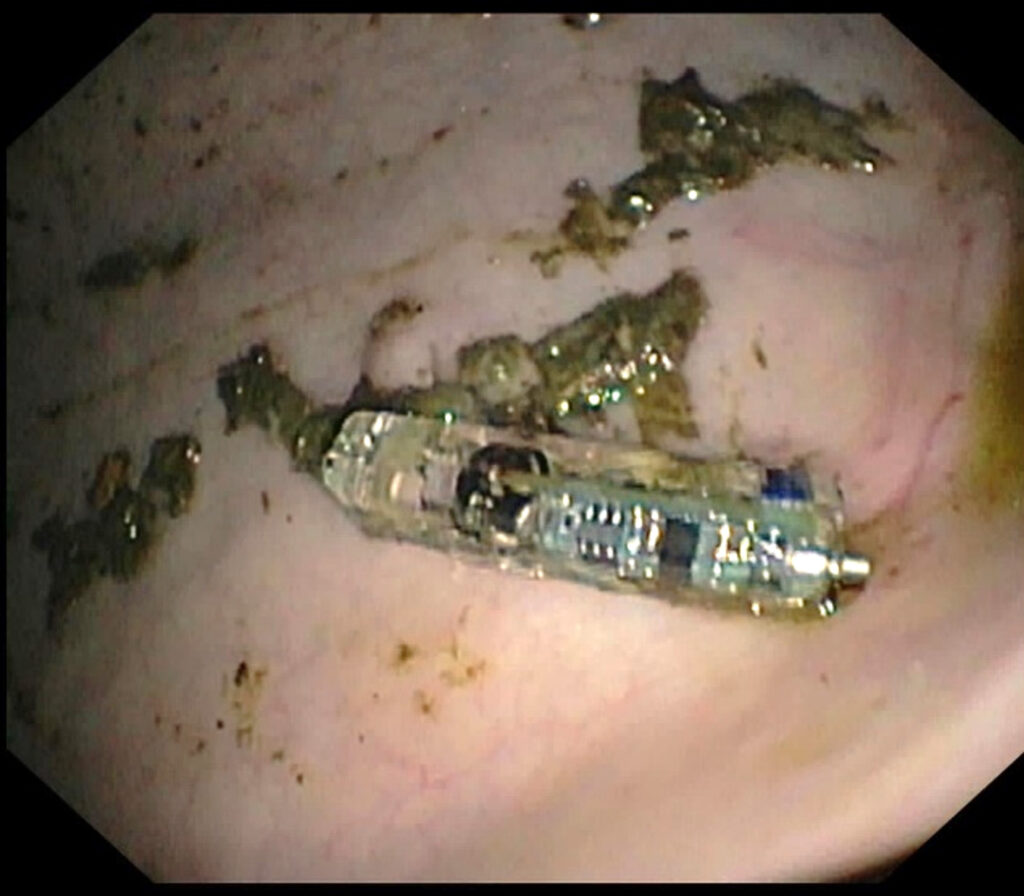
This capsule gives veterinarians and researchers a noninvasive way to track ulcer treatment progress in horses without repeated scoping.

Get advice on encouraging a hard-keeper to eat more. The first step? Rule out health problems.

Equine gastric ulcers often go unnoticed, especially in subclinical cases. Subtle signs can offer clues, while researchers explore biomarkers for future screening.

Learn about the more subtle signs of pain horses might express as undesirable behaviors and how veterinarians can pinpoint the cause.
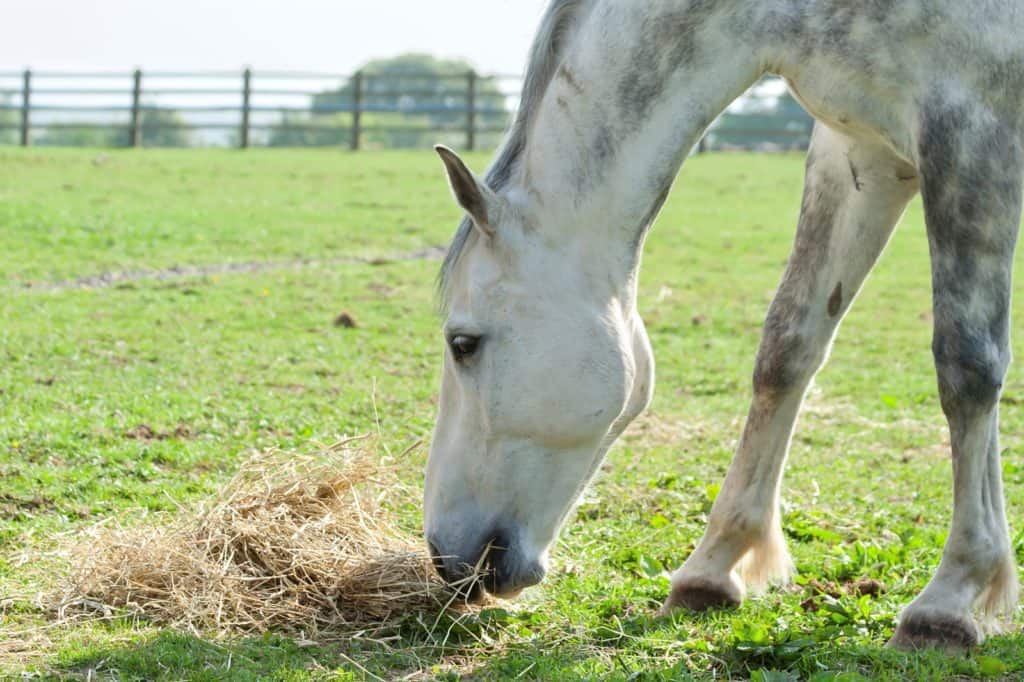
Learn about feeding your new horse during transport, quarantine, and the first few weeks at his new home.
Researchers linked specific behaviors to gastric disease in horses, which could help owners spot signs early and seek veterinary diagnosis and treatment.

Horses evolved to eat frequent, small roughage meals throughout the day, so why do we only feed them twice?

One reader wants to know how she can manage her metabolic horse that is also prone to gastric ulcers. Here’s what she should consider.

Researchers have shown feeding horses alfalfa prior to riding can help buffer stomach acid and offers relief for ulcer-prone horses. But is hay or a pellet better?

Read about 9 physical and behavioral reasons your horse might be kicking up his heels.

Researchers found that a schizophyllan and hyaluronan supplement might help veterinarians and owners manage EGUS.

Here’s how you can recognize the early signs and risk factors for EGUS, and how veterinarians diagnose and treat the condition.